Traditional Korean Instruments
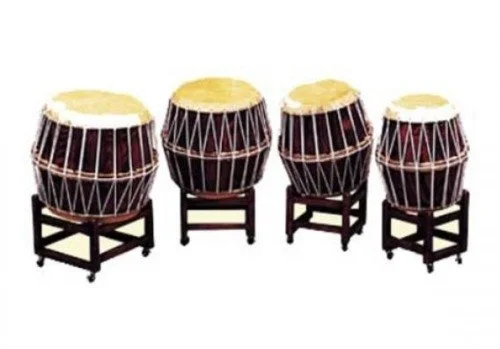
Nanta Buk (난타) - Nanta Buk is a form of Korean traditional percussion inspired by the rhythms of Samulnori. The word “nanta” literally means “to strike randomly” or “random drumbeats.” It is typically performed in a group using large barrel drums (buk), with bold, synchronized movements that combine rhythm and theatrical energy. Although modern Nanta performances often include theatrical or comedic elements, Nanta Buk in a traditional context emphasizes dynamic rhythm and group coordination rooted in folk percussion traditions.
난타북은 한국 전통 타악기 음악인 사물놀이의 리듬을 바탕으로 한 공연 형식으로, ‘난타’는 문자 그대로 “마구 두드리다” 또는 “무작위의 북소리”를 뜻합니다. 보통 큰 북을 이용해 여러 명이 그룹으로 연주하며, 리듬감 있는 타격과 동작이 결합된 공연입니다. 현대의 난타는 연극적 요소나 유머가 가미되기도 하지만, 전통적인 난타북은 강렬한 리듬과 집단의 조화로운 협력에 중점을 둔 공연입니다.
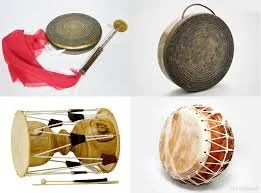
Samul nori (사물놀이) - Samulnori is a genre of traditional Korean percussion music. The word "samul" means “four objects,” and "nori" means “play.” This ensemble is performed using four traditional instruments:
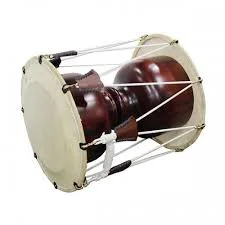
Janggu (장구) – an hourglass-shaped drum
Buk (북) – a barrel drum
Jing (징) – a large gong
Kkwaenggwari (꽹과리) – a small handheld gong
Each instrument represents different elements of nature, and together they create a vibrant, layered rhythmic soundscape. Samulnori is known for its high energy, complex rhythms, and deep cultural symbolism.
사물놀이는 한국 전통 타악기 4종을 사용해 연주하는 타악 중심의 음악 장르입니다.
*사물(四物)*은 "네 가지 악기"를 의미하고,
놀이는 "연주하다, 즐기다"를 뜻합니다.
사물놀이에 사용되는 악기는 다음과 같습니다:
장구: 모래시계 모양의 북
북: 원통형의 큰 북
징: 큰 징
꽹과리: 작은 금속 타악기 (소형 징)
이 네 악기는 자연의 소리를 상징하며, 서로 다른 음색이 조화를 이루어 역동적이고 깊이 있는 리듬을 만들어냅니다.
Janggu (장구) - The Janggu is one of the most iconic drums in Korean traditional music. Shaped like an hourglass, it has two drumheads made from animal skin, each producing distinct pitches and timbres. The contrasting sides are said to symbolize the balance between Um (yin) and Yang (yang)—a core concept in Korean philosophy. The janggu is played with one stick and one hand, allowing for both delicate and dynamic rhythms.
장구는 한국 전통 음악에서 가장 대표적인 북으로, 모래시계 모양을 하고 있으며 양쪽에 동물 가죽으로 만든 북면이 있습니다. 두 면은 서로 다른 음색과 높낮이를 내며, 이로 인해 **음(陰)과 양(陽)**의 조화를 상징한다고 여겨집니다. 장구는 한 손엔 채, 다른 한 손엔 맨손으로 연주하여, 섬세하면서도 역동적인 리듬을 표현할 수 있습니다.
Standing Janggu (설장구) - Seol Janggu, or Standing Janggu, is a more performative variation where the janggu is worn with a strap, allowing the player to perform while standing, dancing, and moving. This style adds a visual element to the performance and is often featured in festivals and group drumming ensembles.
설장구는 장구를 어깨에 멘 채 서서 연주하거나 움직이며, 춤을 추는 퍼포먼스 형태입니다. 역동적인 퍼포먼스 요소가 더해져 시각적 효과가 크며, 축제나 단체 공연 등에서 자주 활용됩니다.
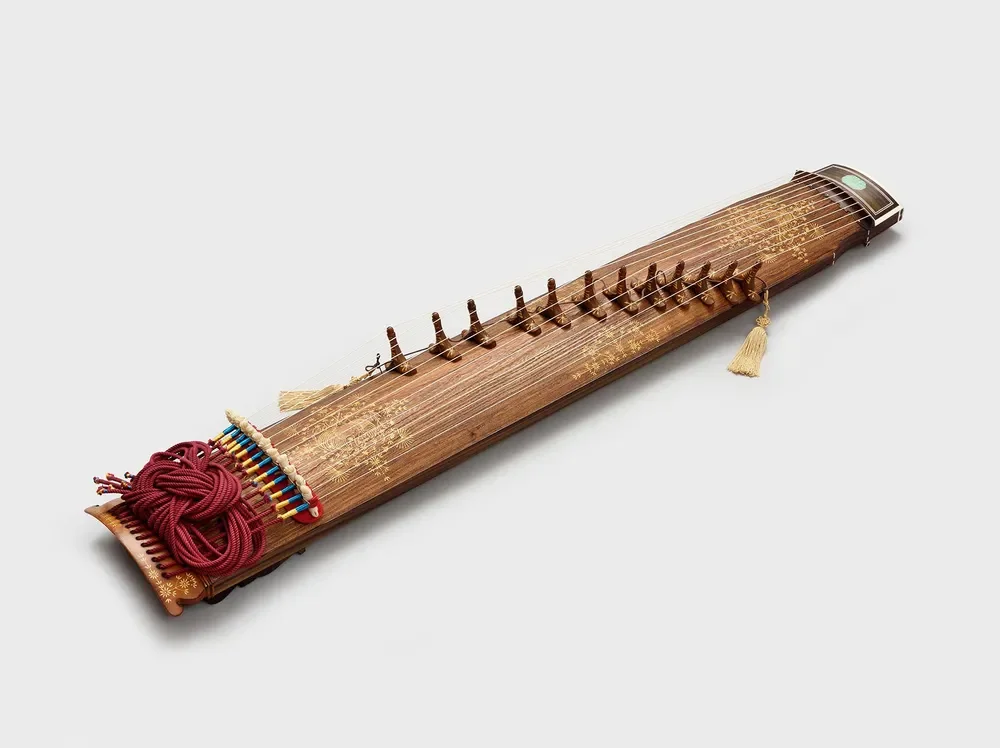
Gayageum (가야금) - The Gayageum is a traditional Korean plucked zither with 12 strings, though modern versions may have more. It is one of Korea’s most widely recognized string instruments, known for its soft, lyrical sound. Played by plucking the strings with the right hand while pressing or bending them with the left, the gayageum is central to both court and folk music traditions.
가야금은 12현(줄)을 가진 한국 전통 현악기 중 하나로, 가장 널리 알려지고 자주 사용되는 악기입니다. 오른손으로 줄을 뜯고, 왼손으로 눌러 음정을 조절하며 연주합니다. 부드럽고 서정적인 소리를 내며, 궁중 음악, 민속 음악, 현대 음악 등 다양한 장르에서 사용됩니다.
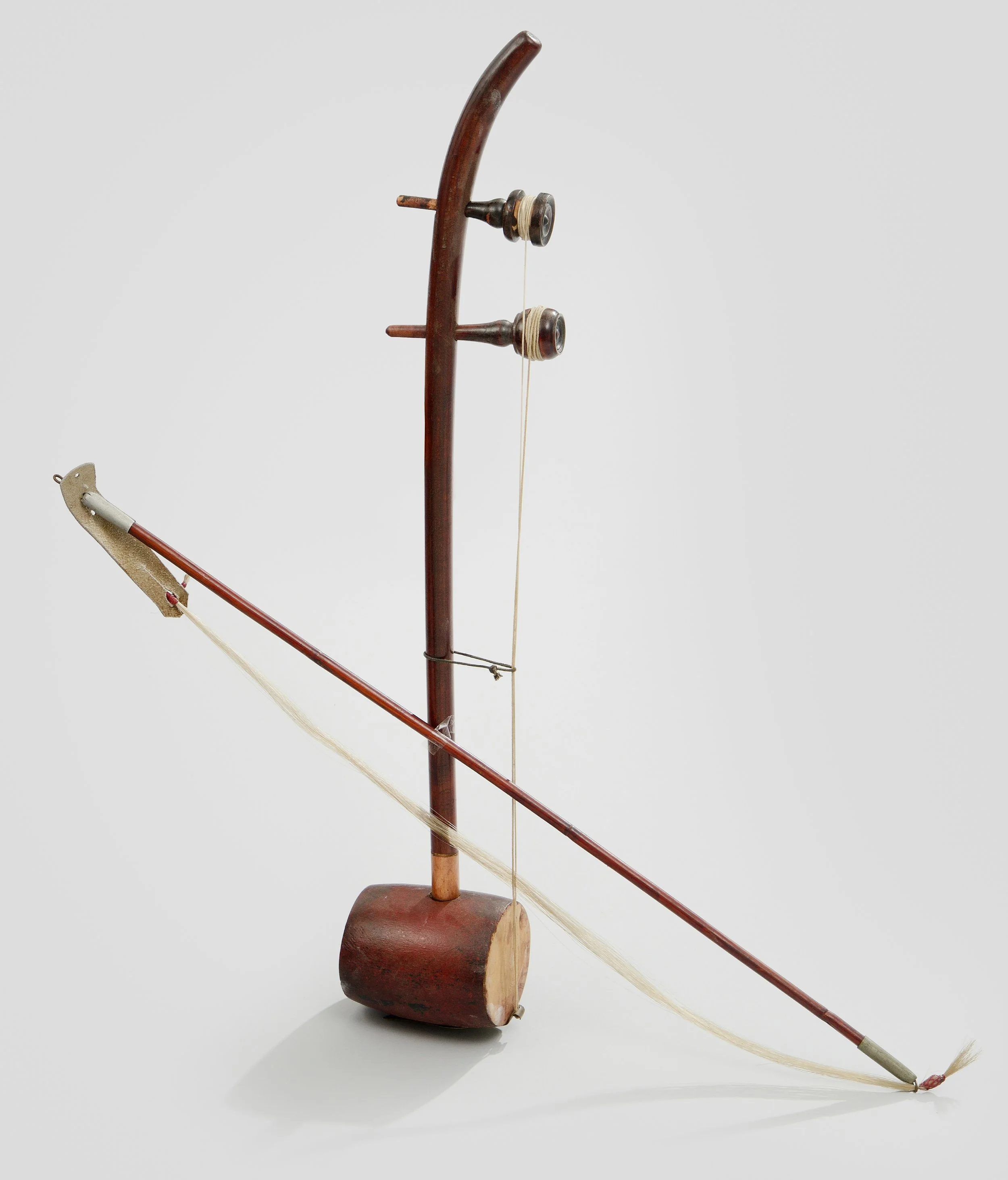
Haegeum (해금) - The Haegeum is a traditional Korean bowed string instrument, often described as a two-stringed vertical fiddle. It is held vertically on the player’s knee and played with a bow inserted between the strings. Known for its piercing, expressive tone, the haegeum is used in a variety of Korean musical styles—from court and folk music to contemporary fusion.
해금은 두 줄로 이루어진 한국 전통 세로형 현악기로, 외형은 바이올린과 비슷하지만 무릎 위에 세워 연주하며 활을 줄 사이에 끼워 소리를 냅니다. 맑고 애절한 음색을 자랑하며, 궁중 음악부터 민속 음악, 현대 창작 음악까지 폭넓게 사용됩니다.